Increase Authorised Share Capital
Understanding the process for increasing authorised share capital in India. When a company plans to raise more money by issuing new shares, one important question often comes up: does the company have enough authorised share capital? If the proposed issue would take the company beyond its existing limit, it may need to increase authorised share […]

When a company plans to raise more money by issuing new shares, one important question often comes up: does the company have enough authorised share capital? If the proposed issue would take the company beyond its existing limit, it may need to increase authorised share capital before issuing the additional shares.
Authorised share capital is the maximum share capital that a company is authorised to issue under its Memorandum of Association (MOA). It is different from paid-up capital, which represents the capital actually subscribed and paid for by shareholders.
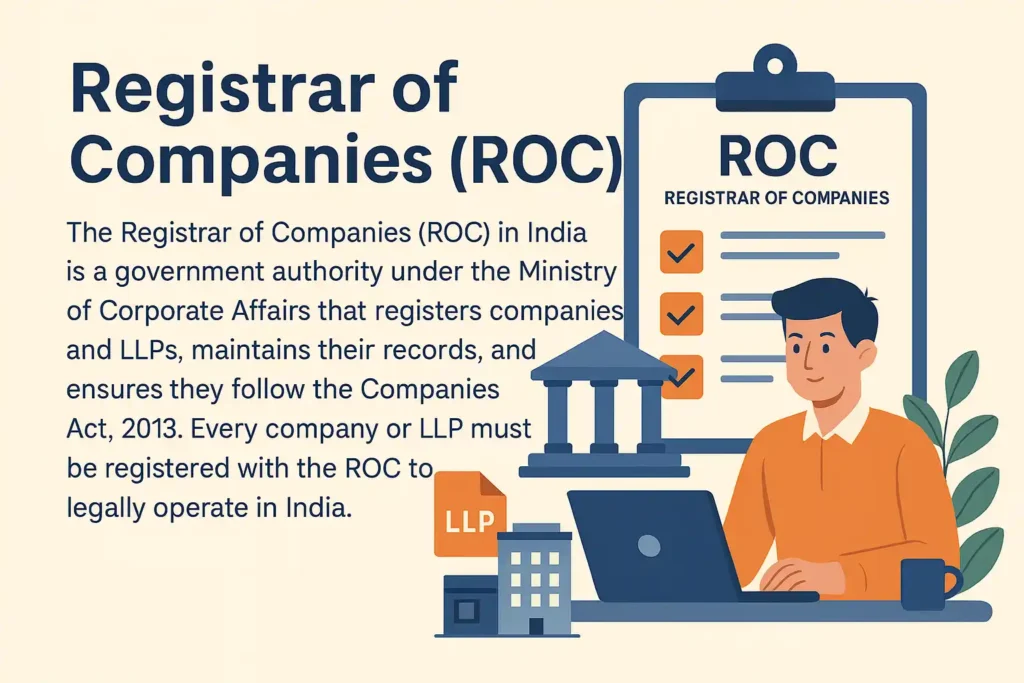
The process involves checking the Articles of Association (AOA), obtaining the required corporate approval, updating the MOA and filing the prescribed form with the Registrar of Companies (ROC). In many cases, the key filing is Form SH-7.
This guide explains the process, forms, fees, documents, timelines, MGT-14 requirements, penalties and common mistakes in simple terms for Indian founders and small-business owners.
If you need assistance with the filing, you can also review Lawizer’s Increasing Capital of Company service.
What Is Authorised Share Capital?
Authorised share capital is the maximum amount of share capital that a company is permitted to issue to its shareholders, as specified in its MOA.
For example, suppose a company has authorised share capital of ₹10 lakh divided into equity shares. If the company wants to issue new shares that would take the total issued capital beyond that authorised limit, the company generally needs to increase its authorised capital first.
Section 61 of the Companies Act, 2013 provides the legal framework allowing a limited company having share capital to alter its share capital, including increasing its authorised share capital, provided the company’s AOA authorises the alteration. The alteration is made through the general meeting process and the MOA is updated accordingly.
Authorised Capital vs Paid-Up Capital
The two terms are often confused, but they serve different purposes.
- Authorised share capital: The maximum share capital the company is authorised to issue.
- Issued capital: The portion of authorised capital that the company offers for subscription.
- Subscribed capital: The portion of issued capital that shareholders agree to take.
- Paid-up capital: The amount treated as paid-up on the shares subscribed by members, subject to the applicable provisions.
Increasing authorised capital does not, by itself, put additional money into the company’s bank account. Money comes into the company when shares are actually issued and subscribed for and the applicable consideration is received.
If you are still setting up your company, Lawizer’s Private Limited Company registration service can help with MOA, AOA and incorporation formalities.
When Does a Company Need to Increase Authorised Share Capital?
A company may need an authorised capital increase when its existing authorised limit is not sufficient for a planned share issue.
Common situations include:
- Bringing in a new investor through an issue of shares.
- Issuing additional shares to existing shareholders.
- Planning a rights issue or another form of further issue of shares.
- Preparing for a future fundraising round.
- Creating additional headroom for an employee stock option or other equity plan, where applicable.
- Increasing the company’s permitted capital before issuing shares for business expansion.
Does Increasing Authorised Capital Increase Paid-Up Capital?
No. These are separate events.
Suppose a company has ₹10 lakh authorised capital and ₹6 lakh paid-up capital. If the authorised capital is increased to ₹25 lakh, the paid-up capital can remain ₹6 lakh until the company actually issues and receives subscription money for additional shares.
This distinction is important because an authorised-capital increase creates capacity to issue shares. It does not itself constitute a fundraising transaction.
Increase Authorised Share Capital: Legal Framework
The main provisions to understand are Sections 61 and 64 of the Companies Act, 2013.
- Section 61: Provides the power of a limited company with share capital to alter its share capital, including increasing authorised share capital, subject to the requirements of its AOA.
- Section 64: Requires notice of specified alterations of share capital to be filed with the ROC in the prescribed form within 30 days.
- Section 14: Becomes relevant where the company’s AOA itself needs to be altered.
- Section 117: Governs filing of specified resolutions and agreements with the ROC, including special resolutions.
For the official statutory text, refer to the Companies Act, 2013 on India Code and the MCA Instruction Kit for Form SH-7.
How to Increase Authorised Share Capital
The exact procedure can vary depending on the company’s AOA and the type of resolution required. However, the process generally follows these steps.
Step 1: Check the Articles of Association
Before taking any resolution, check whether the AOA authorises the company to increase its authorised share capital.
If the AOA already contains the necessary authority, the company can generally proceed with the capital alteration process. If it does not, the AOA may first need to be amended in accordance with the Companies Act.
This check is important because the type of shareholder resolution and the subsequent ROC filings can depend on the company’s constitutional documents.
Step 2: Decide the Revised Authorised Capital
The directors should determine how much additional authorised capital the company actually needs.
For example, if the existing authorised capital is ₹10 lakh and the company expects to issue ₹8 lakh of additional shares, it may consider a suitable revised limit based on its immediate and reasonably foreseeable requirements.
There is no universal amount that every company should choose. Increasing the limit also affects applicable filing fees and, where applicable, stamp duty.
Step 3: Hold the Board Meeting
The Board normally considers the proposed capital increase and approves the steps required to place the proposal before the members.
The board process may include:
- Considering the proposed revised authorised capital.
- Approving the draft resolution.
- Approving the notice for the general meeting.
- Authorising a director or other authorised person to complete the MCA filings.
Step 4: Obtain Shareholder Approval
The alteration under Section 61 is made in a general meeting. The type of resolution depends on the Companies Act and the company’s AOA.
Where the AOA already authorises the increase, an ordinary resolution may generally be sufficient. If the AOA itself must be amended, a special resolution under the applicable provisions may be required.
The general meeting must also comply with the applicable notice, quorum and voting requirements.
Step 5: Alter the MOA
The authorised share capital is reflected in the capital clause of the MOA. After approval of the increase, the company’s MOA should reflect the revised authorised capital.
The altered MOA is also relevant to the ROC filing under Section 64.
Step 6: File Form SH-7 With the ROC
Form SH-7 is the prescribed form for giving notice to the ROC of an alteration of share capital covered by Section 61.
The MCA’s SH-7 instruction kit states that the return is to be filed with the Registrar within 30 days of the relevant alteration or increase. The form captures details such as the existing authorised capital, revised authorised capital and the difference between them.
The applicable government fee and stamp duty are paid as part of the filing process.
Step 7: Update Corporate Records
Once the filing is completed, the company should update its internal records and retain the approved resolutions, altered MOA, filed form and MCA acknowledgement.
If the company subsequently issues new shares, separate share-issue and allotment compliances may apply. An authorised-capital increase should therefore not be treated as the final step of a fundraising transaction.
Which Form Is Filed for an Increase in Authorised Share Capital?
The principal ROC form for an alteration of authorised share capital is Form SH-7.
| Form / Document | Purpose |
|---|---|
| SH-7 | Notice to the ROC of an alteration of share capital. |
| MGT-14 | Filing of specified resolutions and agreements where Section 117 applies. |
| MOA | Updated to reflect the revised authorised capital. |
| Board / shareholder resolutions | Corporate approvals supporting the alteration. |
SH-7 vs MGT-14
SH-7 and MGT-14 have different purposes.
SH-7 is the statutory notice of alteration of share capital under Section 64. MGT-14 is used to file resolutions and agreements covered by Section 117.
Therefore, it is not correct to say that every increase in authorised capital automatically requires MGT-14. The current MCA SH-7 instructions specifically ask for the MGT-14 SRN “if any” where applicable.
Is MGT-14 Required for Increase Authorised Share Capital?
This is one of the most commonly misunderstood parts of the process.
For a straightforward increase in authorised share capital under Section 61, MGT-14 is not automatically required merely because SH-7 is being filed. The exact requirement depends on the resolution passed and whether the company also needs to alter its AOA or undertake another matter covered by Section 117.
What Is the Purpose of Filing Form MGT-14?
MGT-14 is used to file specified resolutions and agreements with the Registrar under Section 117 of the Companies Act.
Section 117 covers, among other matters, special resolutions and certain other specified resolutions or agreements.
When Can MGT-14 Become Relevant?
MGT-14 may become relevant when the company passes a special resolution, including where the AOA needs to be altered through the applicable special-resolution process.
In that situation, the company should comply with the applicable Section 117 filing requirement separately from the SH-7 requirement.
Who Needs to File MGT-14?
The statutory filing responsibility rests with the company. A director, company secretary, practising professional or authorised filing representative may handle the electronic filing on the company’s behalf, depending on the circumstances and certification requirements.
The important point is that engaging a professional does not transfer the company’s statutory responsibility for maintaining compliance.
Can MGT-14 Be Filed After 300 Days?
If MGT-14 is applicable and the filing is substantially delayed, it should not simply be treated as an ordinary late filing.
The current MCA MGT-14 instruction kit states that where the relevant event date is beyond 300 days from the filing date, the filing requires the relevant condonation reference, including the SRN of Form INC-28 or the applicable older form. Additional fees may also continue to apply.
Therefore, a company that has crossed 300 days should obtain professional advice on the correct condonation and filing route rather than assuming that the normal 30-day process still applies.
What Is the Penalty for Delaying MGT-14?
Where MGT-14 is legally required, Section 117 contains penalties for failure to file the specified resolution or agreement within the prescribed period.
The current statutory penalty framework provides a base penalty for the company, followed by a continuing daily penalty subject to the prescribed maximum. The applicable amount can also depend on statutory relief available to eligible categories of companies.
Because penalties and procedural rules can change, companies should verify the applicable MCA position at the time of filing rather than relying on an old online fee calculator.
What Documents Are Required to Increase Authorised Share Capital?
The documents required can vary based on the company’s circumstances and whether the AOA also needs to be amended. Common documents include:
- Existing MOA.
- Existing AOA.
- Board resolution and meeting records.
- Notice and documents relating to the general meeting.
- Shareholder resolution.
- Altered MOA showing the revised capital clause.
- Details of existing and revised authorised capital.
- Digital Signature Certificate of the authorised signatory.
- Professional certification or other supporting documents where required by the MCA form.
Keeping the company’s constitutional documents updated is important. Founders can also read Lawizer’s guide on documents required for company registration in India for a broader explanation of MOA, AOA and corporate documents.
What Is the Fee to Increase Authorised Share Capital?
There is no single fixed fee that applies to every company.
The total cost generally has three separate components:
- MCA government filing fee: Depends on the applicable fee rules and the company’s capital structure.
- Stamp duty: May apply and can vary according to the state and the relevant instrument or capital alteration.
- Professional fee: If the company engages a CA, CS, lawyer or legaltech platform to prepare and file the documents.
The safest approach is to calculate the government charges using the MCA filing system at the time of submission because fee schedules and state-specific stamp-duty requirements can change.
What Are the ROC Filing Charges for a CA?
There is no universal “CA charge” fixed by the Companies Act for helping with an ROC filing. A CA or other eligible professional may charge a professional fee for preparing documents, checking compliance, signing or certifying forms where required, and completing the filing.
That professional fee is separate from government filing fees and applicable stamp duty.
Before engaging a professional, ask for an itemised quote that clearly separates government charges, stamp duty and professional fees.
For broader company cost planning, you can also read Lawizer’s guide to Private Limited Company registration costs in India.
What Is the Timeline for Increasing Authorised Share Capital?
The process is event-based rather than a fixed number of days from start to finish.
The company generally needs time to:
- Review the AOA and proposed capital structure.
- Prepare and hold the Board meeting.
- Issue notice and conduct the general meeting.
- Pass the required resolution.
- Update the MOA.
- Prepare and file SH-7.
- Complete any applicable MGT-14 filing.
- Update internal corporate records.
Section 64 requires the prescribed notice of the alteration to be filed with the ROC within 30 days of the relevant alteration or increase.
The actual time for MCA processing can vary depending on the filing, documentation and whether the ROC raises any query or requires resubmission.
What Happens If SH-7 Is Not Filed?
Filing SH-7 is not optional where Section 64 applies. It is the statutory notice to the ROC of the relevant alteration of share capital.
Section 64 provides a penalty for failure to comply. The current provision states that the company and the officer in default may be liable to a penalty of ₹500 for each day during which the default continues, subject to the statutory maximums.
This is why a company should not wait until it is ready to issue new shares before checking whether its authorised capital and ROC records are already compliant.
If your company has older pending ROC filings, Lawizer’s ROC Annual Filing service for Private Limited Companies can be relevant for regular annual compliance.
What Happens When Share Capital Is Increased?
An increase in authorised share capital changes the company’s legal ceiling for issuing shares. It does not automatically change the company’s bank balance or shareholder ownership.
For example, if authorised capital is increased from ₹10 lakh to ₹25 lakh, the company now has a higher authorised limit. But if it does not issue any additional shares, its paid-up capital and existing ownership percentages may remain unchanged.
What Happens When New Shares Are Actually Issued?
If the company subsequently issues shares, separate compliance requirements may apply depending on whether the issue is made through rights issue, private placement, preferential issue or another permitted route.
The company should therefore treat the authorised-capital increase and the actual issue of shares as related but separate corporate events.
For founders preparing for investment, Lawizer also provides business documentation services that may be relevant to corporate documentation and agreements.
Authorised Capital Increase vs Paid-Up Capital Increase
| Point | Authorised Capital | Paid-Up Capital |
|---|---|---|
| Meaning | Maximum capital the company is authorised to issue | Capital actually subscribed and paid on shares |
| Money received? | Not merely because the authorised limit increases | Generally arises from actual share subscription and payment |
| Ownership changes automatically? | No | It can change when new shares are issued |
| Main filing for capital alteration | SH-7, where applicable | Separate issue/allotment filings may apply |
This distinction is especially important for startups. An investor may subscribe to new shares only after the company has sufficient authorised capital and completes the applicable issue process.
Common Mistakes to Avoid
Increasing authorised capital is a straightforward corporate process when the documents and approvals are handled correctly. Problems usually arise when companies treat it as a simple form-filing exercise.
- Confusing authorised and paid-up capital: Increasing the authorised limit does not itself bring new money into the company.
- Ignoring the AOA: Always check whether the Articles authorise the proposed alteration.
- Assuming MGT-14 is always mandatory: Its applicability depends on the resolution and other circumstances.
- Missing the SH-7 deadline: Section 64 requires the prescribed notice within 30 days.
- Forgetting the MOA: The capital clause should reflect the revised authorised capital.
- Ignoring stamp duty: State-specific stamp duty may form part of the cost.
- Using outdated fee information: MCA fees and filing procedures can change.
- Assuming the process ends with SH-7: A subsequent share issue may require additional filings.
Increase Authorised Share Capital Checklist
- Check the existing authorised capital.
- Review the MOA and AOA.
- Determine the revised authorised capital.
- Prepare the Board resolution.
- Issue the general meeting notice.
- Obtain the required shareholder approval.
- Amend the AOA first if required.
- Update the MOA capital clause.
- File Form SH-7 within the applicable statutory timeline.
- File MGT-14 if the relevant resolution is covered by Section 117.
- Pay applicable MCA fees and stamp duty.
- Preserve the filed forms, challans and corporate records.
- Complete separate share-issue compliances if new shares are subsequently allotted.
Frequently Asked Questions About Authorised Share Capital
Can We Increase Authorised Share Capital?
Yes. A limited company having share capital can increase its authorised share capital in accordance with Section 61, provided the company’s Articles authorise the alteration and the required corporate approvals and ROC filing requirements are completed.
How to Increase Authorised Share Capital?
Check the AOA, decide the revised capital, obtain the required Board and shareholder approvals, alter the MOA, file SH-7 with the ROC within the applicable deadline and complete any additional filing that may be required.
What Is the Procedure for Increasing Authorised Share Capital?
The procedure generally involves reviewing the AOA, passing the required resolution in a general meeting, updating the MOA and filing Form SH-7 with the ROC within 30 days of the relevant alteration. The exact resolution and supporting filings depend on the company’s documents and circumstances.
Do We Need to File MGT-14 for Increase in Authorised Share Capital?
Not automatically. A straightforward authorised-capital increase does not by itself mean that MGT-14 must always be filed. MGT-14 is required when the relevant resolution falls within Section 117, such as a special resolution or another specified resolution. The current MCA SH-7 instructions refer to the MGT-14 SRN if one has been filed.
What Is the Purpose of Filing Form MGT-14?
MGT-14 is used to file specified resolutions and agreements with the Registrar under Section 117 of the Companies Act, 2013. It is different from SH-7, which is the notice of alteration of share capital under Section 64.
Who Needs to File MGT-14?
The company is responsible for making the statutory filing. An authorised director, company secretary or eligible professional may complete the electronic filing depending on the form and certification requirements.
Can MGT-14 Be Filed After 300 Days?
If MGT-14 is applicable and the event date is more than 300 days before filing, the MCA’s current instruction kit requires the relevant condonation reference, including an INC-28 SRN where applicable. It should not be treated as an ordinary late filing.
What Is the Penalty for Delaying the Filing of MGT-14?
Where MGT-14 is required, Section 117 provides a penalty framework for late filing. The current provision includes a base penalty and continuing daily penalty subject to prescribed maximums, with possible statutory relief for eligible categories of companies.
What Is the Penalty for Not Filing MGT-14?
If MGT-14 is applicable and is not filed, the company and officers in default can face the penalties prescribed under Section 117. If MGT-14 is not legally applicable to the particular resolution, there is no penalty merely for not filing a form that was never required.
What Is the Penalty for Not Filing SH-7?
Section 64 provides a penalty for failure to file the prescribed notice of alteration of share capital. The current provision provides ₹500 for each day during which the default continues, subject to the statutory maximum for the company and the officer in default.
What Is the Fee for an Increase in Authorised Share Capital?
The fee depends on the applicable MCA fee rules and the amount of capital involved. State-specific stamp duty may also apply. Professional fees charged by a CA, CS, lawyer or legaltech platform are separate from government charges.
What Are the ROC Filing Charges for a CA?
There is no single CA fee prescribed for every ROC filing. Professional charges depend on the form, complexity, document preparation and certification involved. Always separate professional fees from MCA filing fees and stamp duty when comparing quotations.
What Happens If ROC Filing Is Not Done?
The consequences depend on which filing was missed. For SH-7, Section 64 provides a specific penalty for failure to notify the ROC. If an applicable MGT-14 or another statutory filing is missed, the consequences are governed by the relevant provisions of the Companies Act.
Can a CA Do ROC Filing?
Yes. A CA can assist with ROC compliance, although the exact certification requirements vary by form. Some MCA forms may also involve a practising Company Secretary, Cost Accountant or another eligible professional. The company should use the professional category permitted for the particular form.
Is ROC Filing Mandatory Every Year?
Annual ROC compliance is required for companies, but SH-7 itself is not an annual filing. SH-7 is an event-based filing used when a relevant alteration of share capital occurs.
For ongoing compliance, see Lawizer’s Annual Compliance service and its ROC Annual Filing service for Private Limited Companies.
What Happens When Share Capital Is Increased?
If only authorised capital is increased, the company’s permitted share-issue ceiling increases. Paid-up capital and shareholder ownership do not automatically change. If the company subsequently issues shares, additional issue and allotment compliances can apply.
How Do You Increase Share Capital?
First identify whether you need to increase authorised capital or actually issue additional shares. If the authorised limit is insufficient, follow the Section 61 and Section 64 process, including the required corporate approvals, MOA update and SH-7 filing. The actual issue of shares is a separate step.
Can I Do CA After 40 Years?
Yes. This question appears in the related search-question map but is separate from authorised share capital. ICAI has stated that there is no age restriction for becoming a Chartered Accountant. You would still need to satisfy the applicable educational, examination, practical training and registration requirements under the current CA scheme.
Official References for Authorised Share Capital Compliance
For legal and procedural verification, use primary sources wherever possible:
- Companies Act, 2013 — India Code
- MCA Instruction Kit — Form SH-7
- MCA Instruction Kit — Form MGT-14
- Ministry of Corporate Affairs — MCA
- Institute of Chartered Accountants of India — ICAI
Always check the latest MCA forms, fee schedules and applicable rules before filing because electronic filing requirements and fee structures may be updated.
Need Help With Increase Authorised Share Capital?
Increasing authorised share capital is manageable when the company’s MOA, AOA, resolutions and ROC filings are handled in the correct order. The key is to distinguish the authorised-capital increase from any subsequent issue of shares and to complete each applicable compliance separately.
If you want professional assistance with preparing the resolutions, updating the corporate documents and completing the ROC process, you can consult Lawizer’s Increasing Capital of Company service.
For companies that also need help with ongoing filings, Lawizer provides annual compliance support and ROC annual filing for Private Limited Companies.
Important: This article is for general educational information and should not be treated as legal advice for a specific company. The applicable procedure can vary based on the company’s AOA, type of resolution, capital structure and other facts.