What is Legaltech
What Is LegalTech? Meaning, Uses, Benefits & Future in India Legal technology is no longer limited to large law firms. Indian founders and small-business owners can now use digital platforms for company incorporation, GST, trademark protection, contracts, tax filing and recurring compliance. But what is legaltech, and where does it actually fit into the day-to-day […]
What Is LegalTech? Meaning, Uses, Benefits & Future in India
Legal technology is no longer limited to large law firms. Indian founders and small-business owners can now use digital platforms for company incorporation, GST, trademark protection, contracts, tax filing and recurring compliance. But what is legaltech, and where does it actually fit into the day-to-day work of a business?
In simple terms, LegalTech means using technology to make legal services and legal processes easier to access, manage, automate and track. It can include online registration platforms, document automation, contract management systems, electronic signatures, compliance software, legal research tools and AI-assisted legal workflows.
For an Indian startup or MSME, the practical benefit is straightforward: routine legal and compliance tasks can become more organised and less dependent on paperwork. However, technology does not remove the need for qualified legal, tax or compliance professionals when professional judgement is required.
What Is LegalTech? A Simple Definition
LegalTech is short for legal technology. It refers to technology used to support, improve, automate or deliver legal services and legal processes.
The term covers a wide range of tools. Some LegalTech products are designed for lawyers and law firms. Others are built for businesses, founders, consumers, in-house legal teams or compliance professionals.
For example, a business owner may use a digital platform to submit documents for company incorporation. The platform can collect information, organise documents, prepare relevant forms, coordinate professional review and help track the application.
The same idea can apply to trademark applications, GST registration, legal documentation, tax filing and ongoing compliance.
How Does LegalTech Work?
A typical digital legal workflow may look like this:
- The customer explains the legal or compliance requirement.
- Required information and documents are collected online.
- Software organises the information and creates a structured workflow.
- Automated checks or document-generation tools may reduce repetitive work.
- A lawyer, CA, CS or other qualified professional may review the matter where required.
- The relevant application, document or filing is completed.
- The customer receives updates, documents or status information digitally.
The exact workflow depends on the service. A simple registration can be highly standardised, while a complex dispute, acquisition or negotiated commercial contract may require much more professional involvement.
Is LegalTech the Same as Online Legal Services?
Not exactly. Online legal services are one part of the broader LegalTech ecosystem.
A LegalTech platform may use technology to support the entire workflow, while an online legal service may simply connect a customer with a lawyer or allow a document to be purchased online.
The key difference is that LegalTech focuses on using technology to improve the delivery, management or administration of legal work.
What Is LegalTech Used For in India?
Legal technology can support many areas of business. For Indian founders, its most useful applications are often the routine legal, tax, documentation and compliance tasks that must be completed correctly and on time.
1. Company Registration and Business Formation
Starting a business involves decisions about the appropriate legal structure and a series of registration steps. Digital platforms can make document collection, application preparation and filing coordination easier.
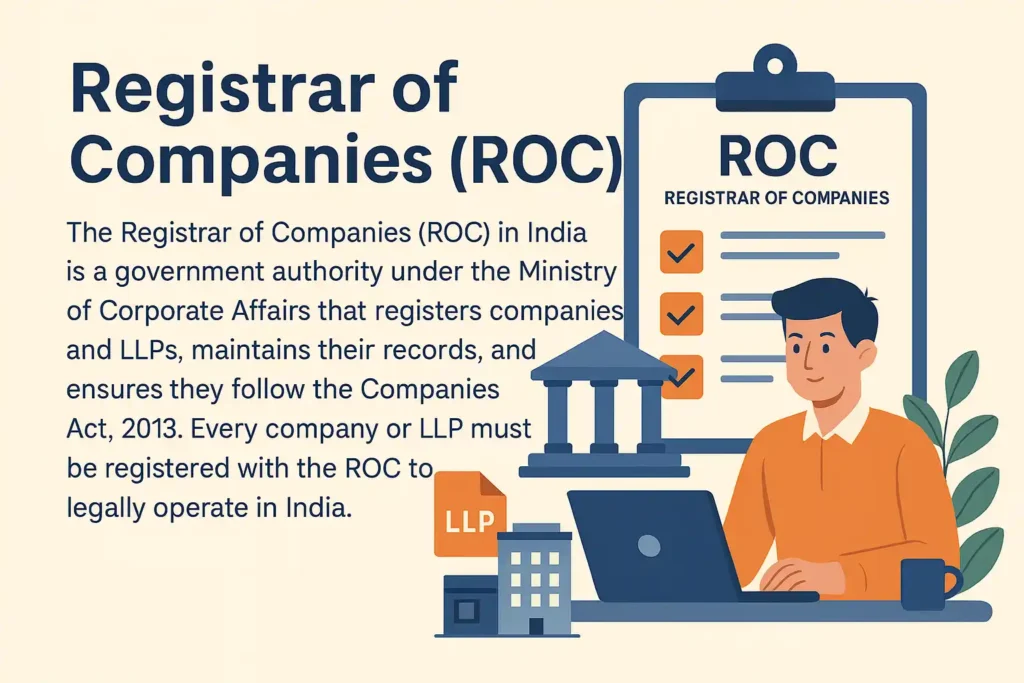
Depending on the business, founders may consider a Private Limited Company registration, One Person Company registration or LLP registration.
The Ministry of Corporate Affairs is the government authority responsible for corporate affairs and provides digital systems for corporate filings and related services. Businesses should always verify the latest statutory requirements through official government sources such as the Ministry of Corporate Affairs website.
2. GST Registration and Tax Compliance
GST is another area where digital workflows can reduce administrative work.
Depending on the business activity, turnover, location and other applicable conditions, GST registration may become necessary. A LegalTech platform can help with document preparation, application workflows and communication around the registration process.
Lawizer provides GST registration services for businesses and professionals that need assistance with the process.
The Government of India also provides an online GST registration service. Requirements can change, so businesses should verify applicability and current rules through the Government Services Portal GST registration page.
3. Trademark and Intellectual Property Protection
Your brand name, logo, creative work and other intellectual property can become valuable business assets. Technology can make trademark searches, application preparation, filing and status monitoring easier to manage.
Lawizer’s trademark registration service is designed around this type of digital workflow.
For official information, trademark applicants can use the Intellectual Property India website, which provides access to trademark information, searches and e-filing services.
Lawizer also provides resources on how to register a trademark in India, including practical information for founders.
4. Contracts and Legal Documentation
Businesses regularly need contracts. These may include employment agreements, NDAs, founder agreements, service agreements, shareholder documents and technology contracts.
Legal technology can simplify the process of collecting instructions, managing versions and communicating with legal professionals.
For example, founders can explore Lawizer’s legal documentation and agreement drafting services for documents such as:
- Non-Disclosure Agreements
- Business Partnership Agreements
- SaaS Agreements
- Service Agreements and Term Sheets
- Privacy Policies and Terms of Use
5. Income-Tax Filing
Tax filing is another area where digital workflows can make the process easier. Information can be collected online, documents can be shared digitally and professionals can review the information before filing.
Lawizer offers online ITR filing with expert assistance for different types of income and tax situations.
The official Income Tax Department website provides the government’s e-filing services and current tax information.
6. Ongoing Business Compliance
Incorporation is not the end of a business’s legal responsibilities. Companies and LLPs may have recurring filings, records and compliance obligations.
Legal technology can help businesses organise these obligations through digital calendars, document storage, reminders and filing workflows.
Lawizer provides annual compliance support and an annual compliance calendar to help businesses manage recurring requirements.
7. MSME and Udyam Registration
Eligible small businesses may also consider Udyam registration. Digital workflows can make it easier to collect information and complete the registration process.
Lawizer provides MSME Udyam registration support for eligible businesses.
What Is LegalTech Law?
The phrase LegalTech law does not describe one separate branch of Indian law. Instead, it can refer broadly to the laws and regulations that affect technology-enabled legal services and legal workflows.
Depending on the product, this can involve several legal areas, including:
- Data protection and privacy
- Electronic contracts and signatures
- Intellectual property
- Cybersecurity
- Consumer protection
- Professional and legal-ethics requirements
- Corporate and regulatory compliance
- Artificial intelligence and automated decision-making
This is important because a LegalTech company must comply with the laws that apply to its own operations and the services it facilitates.
For example, a platform handling confidential business documents should consider privacy and security. A platform dealing with contracts should consider applicable contract and electronic-record requirements. A platform facilitating professional legal work must also respect the rules applicable to legal professionals.
What Are the Benefits of LegalTech for Indian Businesses?
Legal technology is valuable because it can reduce friction in processes that are often repetitive, document-heavy or difficult to track.
It Saves Time
Digital document collection can reduce unnecessary emails, physical paperwork and repeated requests for the same information.
It Improves Organisation
Businesses can keep documents, instructions, filing information and status updates in a more structured workflow.
It Makes Legal Support More Accessible
A founder does not necessarily need to be located in a major metropolitan city to start a digital legal or compliance process.
Lawizer also provides business registration support in Kolkata and West Bengal, alongside services available more broadly across India.
It Helps With Recurring Compliance
Compliance is easier to manage when deadlines and documents are tracked systematically instead of relying entirely on memory.
It Can Reduce Administrative Errors
Structured digital forms and workflows can reduce avoidable mistakes caused by missing documents, inconsistent information or manual duplication.
It Gives Founders More Visibility
Digital tracking can make it easier to understand what has been submitted, what is pending and what action may be required next.
It Frees Up Founder Time
Founders should spend their energy building products, serving customers and managing growth. Technology can reduce the administrative burden associated with routine legal work.
LegalTech vs Traditional Legal Services
Legal technology should not be viewed as a simple replacement for lawyers, CAs, CS professionals or other specialists.
Instead, technology and professional expertise can work together.
Traditional Legal Services
- Professional-led advice
- Highly customised work
- Direct communication with lawyers or specialists
- Suitable for complex disputes and strategic matters
- Often requires detailed fact analysis
Technology-Enabled Legal Services
- Digital document collection
- Online communication
- Automated workflows
- Digital status tracking
- Standardised processes for routine matters
- Centralised document management
The best approach depends on the problem. A routine registration may benefit greatly from automation. A complex acquisition agreement or litigation strategy may require extensive professional judgement.
How Can a Startup Use LegalTech?
Legal technology can support a business throughout its lifecycle, not just when it is first incorporated.
At the Idea Stage
Founders can start by deciding the appropriate business structure, checking brand availability and identifying basic legal requirements.
Lawizer’s Private Limited Company registration guide can help founders understand the incorporation process and considerations.
At Launch
A startup may need company incorporation, GST registration where applicable, contracts, intellectual property protection and other registrations.
Eligible startups may also consider Startup India registration. The official Startup India portal provides current information on DPIIT recognition, eligibility and related benefits.
During Growth
As the business grows, founders may need employment contracts, vendor agreements, trademark protection, tax filings and additional compliance support.
A founders agreement can also help document roles, ownership, responsibilities and other arrangements between co-founders.
At Scale
Larger businesses may need contract lifecycle management, compliance calendars, intellectual-property management, employee documentation, shareholder agreements and more structured legal operations.
At this stage, LegalTech can become part of the company’s internal operating system rather than simply a tool used for one-off registrations.
What Are the Top 10 LegalTech Companies?
There is no universally accepted official ranking of the “top” LegalTech companies in India. The market includes platforms serving consumers, startups, law firms, corporate legal teams, courts and compliance departments.
Examples of notable companies and platforms in the Indian LegalTech ecosystem include:
- Lawizer
- Vakilsearch, now operating as Zolvit
- IndiaFilings
- LegalWiz.in
- LegalRaasta
- LawRato
- LegalKart
- MyAdvo
- SpotDraft
- Leegality
These businesses do not all provide the same service. Some focus on registrations and compliance, while others specialise in lawyer discovery, contracts, electronic documentation or enterprise legal workflows.
A 2026 industry directory illustrates how broad the Indian LegalTech ecosystem has become, covering areas such as legal research, contracts, e-signatures, compliance, dispute resolution and legal marketplaces. It should be treated as a market directory rather than an official ranking.
For founders, the better question is not simply “Which company is number one?” Instead, ask whether the platform has the right professionals, service coverage, security practices, process transparency and support for your particular requirement.
What Is the Future of LegalTech?
The future of legal technology is likely to involve more automation, better data management and greater use of artificial intelligence.
AI-Assisted Legal Work
AI can assist with tasks such as document summarisation, information extraction, legal research support, contract review and workflow automation.
However, AI output should not automatically be treated as professional legal advice. Important legal decisions still require appropriate human review.
More Automated Compliance
Businesses may increasingly use software to monitor deadlines, organise filings and identify missing information.
Smarter Contract Management
Contract technology can help businesses create, negotiate, approve, sign and monitor agreements from a central system.
Greater Access for Small Businesses
One of the most important opportunities is expanding access to professional support for startups and MSMEs that cannot justify maintaining a large in-house legal department.
Technology Will Support Professionals, Not Simply Replace Them
Legal work often requires judgement, negotiation, context and accountability. Technology can improve efficiency, but those human capabilities remain important.
What Are LegalTech Jobs?
LegalTech is also creating new career opportunities at the intersection of law, business and technology.
Common LegalTech Roles
- Legal operations specialist
- Legal analyst
- Compliance professional
- Contract management specialist
- Legal product manager
- Legal technology consultant
- Legal content specialist
- AI and legal-technology specialist
What Skills Are Useful?
LegalTech professionals may benefit from legal knowledge, technology literacy, research ability, communication skills, process management and an understanding of business operations.
A LegalTech company may therefore employ lawyers and non-lawyers across product, technology, customer support, compliance, operations and business functions.
What Is a Gen Z Lawyer?
A Gen Z lawyer generally refers to a lawyer belonging to Generation Z. The phrase is informal rather than a separate legal category.
Gen Z lawyers may be comfortable with digital research, online collaboration, remote work, AI tools and technology-driven workflows. However, technology does not replace core legal skills such as research, drafting, reasoning, ethics and client communication.
LegalTech, CA or Lawyer: What Should a Business Owner Choose?
This is one of the most important practical questions for a small-business owner.
When Do You Need a CA?
A Chartered Accountant may be appropriate for accounting, taxation, financial reporting, tax planning and other financial matters that require professional expertise.
For tax filing requirements, Lawizer also provides ITR filing support with expert assistance.
When Do You Need a Lawyer?
A lawyer may be appropriate for legal advice, complex contracts, disputes, intellectual property matters, corporate transactions and other matters requiring legal judgement.
When Does LegalTech Make Sense?
LegalTech is particularly useful when the process involves repeatable administrative steps, document collection, filing coordination, status tracking or standardised workflows.
For example, a founder may use technology to coordinate a registration while relying on qualified professionals for the parts of the process that require professional review.
What Is the Best Approach?
For most growing businesses, the answer is not “technology instead of professionals”. It is technology plus professional expertise.
What Are the Limitations and Risks of LegalTech?
LegalTech has significant advantages, but businesses should understand its limitations.
Technology Cannot Solve Every Legal Problem
Complex disputes, negotiations, acquisitions and unusual regulatory issues may require detailed professional advice.
Data Security Matters
Legal and compliance workflows may involve sensitive business documents, identification information, financial records and intellectual property. Businesses should understand how a platform stores, processes and protects information.
Automated Answers Can Be Incomplete
AI systems can produce useful summaries and suggestions, but they can also misunderstand facts or provide incomplete information. Important decisions should therefore be reviewed appropriately.
Not Every Legal Process Can Be Standardised
Two businesses may have similar-looking legal problems but very different facts. A good LegalTech workflow should make room for professional assessment when the circumstances require it.
How to Choose a LegalTech Platform in India
Before choosing a LegalTech provider, do not look only at the advertised price. Evaluate the entire service experience.
- Service scope: Does the platform actually provide the service you need?
- Professional involvement: Are qualified professionals involved where appropriate?
- Pricing: Are professional charges and government fees explained clearly?
- Security: How are your documents and personal information handled?
- Tracking: Can you understand the status of your application or matter?
- Support: Can you contact someone when clarification is needed?
- Documentation: Will you receive copies of important filings and documents?
- Compliance: Can the platform help with recurring obligations after registration?
Lawizer provides a range of startup and business legal services, including incorporation, GST, trademark, MSME and compliance support.
Frequently Asked Questions About LegalTech
What Is LegalTech?
LegalTech means legal technology: the use of software, digital platforms, automation, AI and other technologies to support or deliver legal services and legal processes.
What exactly is LegalTech?
LegalTech is a broad category rather than one particular product. It includes legal research tools, contract-management software, digital filing platforms, compliance systems, online legal services, electronic document tools and AI-assisted legal workflows.
What is LegalTech in India?
In India, LegalTech is used across company incorporation, GST, trademark and intellectual-property work, contracts, tax filing, compliance, lawyer discovery, legal research and digital documentation.
What is LegalTech law?
“LegalTech law” is not generally a separate legal branch. The phrase can refer to laws and regulations affecting technology-enabled legal services, including privacy, electronic transactions, intellectual property, cybersecurity, professional ethics and regulatory compliance.
What are LegalTech jobs?
LegalTech jobs include legal operations, compliance, contract management, legal product management, legal analysis, legal technology consulting, legal content and AI-related roles.
What are the top 10 LegalTech companies?
There is no official top-10 ranking. Examples of notable Indian LegalTech businesses include Lawizer, Vakilsearch/Zolvit, IndiaFilings, LegalWiz.in, LegalRaasta, LawRato, LegalKart, MyAdvo, SpotDraft and Leegality. Their services differ, so businesses should compare platforms based on their actual requirements.
What is the future of LegalTech?
The sector is likely to see greater use of AI, automated compliance, digital contract management, legal research tools and integrated business workflows. Professional review will remain important for complex legal matters.
How much does a tech lawyer earn?
There is no single salary for a “tech lawyer”. Compensation depends on experience, location, employer, practice area, technical knowledge and whether the role is in a law firm, company, LegalTech business or another organisation.
Who earns more, CA or LLB?
There is no universal answer. CA and LLB represent different professional paths. Earnings depend on experience, specialisation, industry, location, client base, employment and whether the person works independently or in an organisation.
Is CA harder than LLB?
It is difficult to make a universal comparison because the courses have different subjects, examination structures and career paths. CA is heavily focused on accounting, taxation, audit and finance, while an LLB focuses on law and legal reasoning.
Which type of lawyer gets paid most?
Highly specialised lawyers in areas such as complex corporate transactions, commercial disputes, arbitration, taxation, capital markets and certain specialised practices can command significant professional fees. However, there is no official universal salary ranking.
Who are India’s top 5 lawyers?
There is no official national top-five ranking. Lawyers such as Harish Salve, Mukul Rohatgi, Abhishek Manu Singhvi, Kapil Sibal and Gopal Subramanium are among the widely recognised senior advocates in public discussions of India’s leading legal professionals. “Top” depends on practice area, court, experience and the nature of the matter.
Who is the world’s best lawyer?
There is no universally accepted “best lawyer” in the world. Legal systems, jurisdictions and practice areas differ, so a lawyer may be highly regarded in one field without being the best choice for another.
Who is the youngest lawyer ever?
The answer depends on the jurisdiction and the definition used. Admission requirements differ between countries and bar systems, so claims about the “youngest lawyer ever” are not a useful universal benchmark.
What age are most lawyers?
There is no single global average that applies meaningfully to all lawyers. Lawyer demographics vary by country, legal system, age of admission and career path.
How does Gen Z say “hi”?
There is no single Gen Z greeting. Depending on the person and context, casual greetings can include “hey”, “hii”, “yo” or simply a message without a formal greeting.
Official Resources for Indian Businesses
Legal and compliance requirements can change. When dealing with registrations, filings or government procedures, verify current information through the relevant authority.
- Ministry of Corporate Affairs (MCA) — company and corporate compliance information.
- Government Services Portal — GST Registration — government information on online GST registration.
- Intellectual Property India — trademarks, patents, designs and copyright information.
- Startup India — DPIIT Recognition — official startup recognition information.
- Income Tax Department — income-tax and e-filing information.
Final Takeaway: Why LegalTech Matters for Indian Businesses
LegalTech is changing how businesses access and manage routine legal and compliance work. Instead of treating legal processes as entirely manual activities, businesses can use digital tools to organise information, automate repetitive tasks, communicate with professionals and track important workflows.
For Indian founders, the biggest opportunity is practical. Technology can make company registration, GST, trademark protection, contracts, tax filing and recurring compliance more accessible and organised.
At the same time, technology should not be confused with professional legal judgement. The right approach is to use technology where it improves efficiency and involve qualified professionals when the matter requires interpretation, strategy or advice.
Need Help With Your Business Legal and Compliance Requirements?
Starting and running a business involves more than incorporation. Founders may need help with company registration, GST, trademark protection, contracts, ITR filing, MSME registration and ongoing compliance at different stages of growth.
If you are unsure which service you need, you can explore Lawizer’s startup and business legal services or speak with the team about your specific requirement.
You can also explore annual compliance support, trademark registration, GST registration, ITR filing and legal documentation services.
Build your business with the right combination of technology, professional expertise and timely compliance.
Disclaimer: This article is intended for general educational information and does not constitute legal, tax, accounting or professional advice. Legal, tax and compliance requirements can vary based on the business structure, activity, turnover, location, transactions and changes in applicable law. Always verify current requirements with the relevant government authority or consult a qualified professional for advice specific to your circumstances.