Director KYC DIR-3: 2026 Rules, Due Date & Fees
Director KYC DIR-3 is an important MCA compliance requirement for individuals holding a Director Identification Number (DIN). However, the rules changed significantly in 2026. The earlier annual KYC framework has been replaced by a simpler three-year KYC cycle from 31 March 2026. The new framework also covers specified changes to a director’s mobile number, email […]
Director KYC DIR-3 is an important MCA compliance requirement for individuals holding a Director Identification Number (DIN). However, the rules changed significantly in 2026. The earlier annual KYC framework has been replaced by a simpler three-year KYC cycle from 31 March 2026. The new framework also covers specified changes to a director’s mobile number, email address and residential address.
For founders and directors, this change is important because many older articles and compliance calendars still describe DIR-3 KYC as an annual filing with a 30 September deadline. That information relates to the earlier framework and should not be applied blindly to the 2026 rules.
This guide explains the current rules, due dates, documents, fees, filing process, consequences of non-compliance and the difference between DIR-3 and DIR-3 KYC. If you are also setting up a company, you can read Lawizer’s guide to Director Identification Number (DIN) for the broader DIN process.
What Is Director KYC DIR-3?
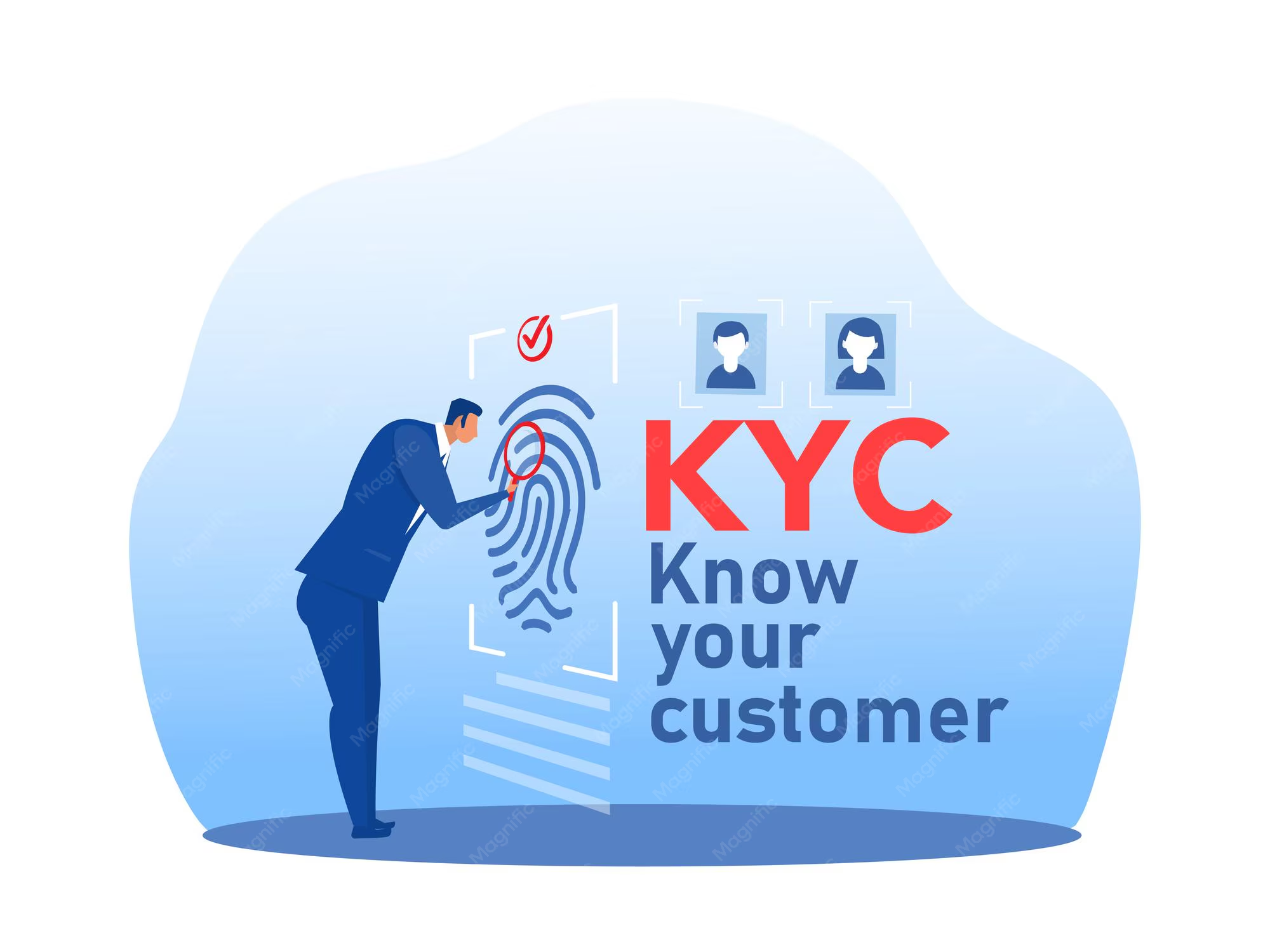
Director KYC is the process through which a DIN holder provides or confirms specified personal information with the Ministry of Corporate Affairs (MCA). The purpose is to keep the MCA’s director records accurate and up to date.
A DIN is a unique identification number associated with an individual who is appointed, or is proposed to be appointed, as a director of a company. Once a person has a DIN, the person may have continuing KYC obligations under the Companies Act framework.
The current KYC framework can be relevant for:
- Routine KYC compliance under the applicable three-year cycle.
- Updating a personal mobile number.
- Updating a personal email address.
- Updating a residential address.
- Reactivating a DIN where the applicable rules permit reactivation through the KYC process.
The MCA announced that the annual KYC requirement was replaced with a simpler KYC intimation once every three years with effect from 31 March 2026. The revised framework is intended to reduce repetitive compliance for directors while retaining the requirement to keep important personal information updated.
If you are still confused about how a DIN is obtained in the first place, see Lawizer’s detailed guide on how to get a Director Identification Number.
What Are the New Director KYC Rules in 2026?
The biggest change in 2026 is the move away from annual KYC. Under the amended Rule 12A framework, routine KYC intimation is required once every three consecutive financial years, subject to the applicable filing timeline.
The amendment was notified on 31 December 2025 and became effective from 31 March 2026. The Ministry of Corporate Affairs confirmed that directors who had already completed their KYC would be covered under the new provisions, with their next KYC filing due by 30 June 2028 under the transition announced by the Ministry.
Is Director KYC Still an Annual Filing?
No. From the effective date of the amended framework, routine KYC is no longer an annual requirement. It follows a three-year cycle.
This is an important distinction because many older websites still mention the former annual deadline of 30 September. Directors should therefore check the current MCA requirements rather than relying on an old compliance calendar.
What Is the New Three-Year KYC Cycle?
Under the revised Rule 12A framework, a person holding a DIN as on 31 March of a financial year is required to submit the KYC intimation within the prescribed three-year cycle. The relevant filing deadline is 30 June of the applicable year following the third consecutive financial year.
The exact due date for an individual should be determined from the director’s KYC history and DIN status. A director should not assume that every DIN holder has the same next due date.
What If My Mobile Number, Email or Address Changes?
The three-year cycle does not mean that a director can ignore changes to important personal information until the next routine KYC date.
If the director’s personal mobile number, email address or residential address changes, the amended Rule 12A framework requires the relevant KYC webform to be submitted within 30 days of the change, along with the applicable fee.
This event-based update is separate from the routine three-year KYC cycle.
What Is the Last Date for Director KYC in 2026?
There is an important point to understand about the 2026 transition. The new three-year system does not mean that every director suddenly has a routine KYC deadline of 30 June 2026.
The MCA’s January 2026 announcement stated that directors who had already completed their KYC would have their next KYC filing due by 30 June 2028 under the new provisions.
Therefore, a director should first establish which compliance cycle applies to their DIN before deciding whether a routine KYC filing is currently due.
Should You Still Follow the Old 30 September Deadline?
The 30 September date was associated with the earlier annual KYC regime. It should not automatically be treated as the routine deadline under the post-31 March 2026 framework.
However, directors with an unresolved or previously deactivated DIN should not simply wait for the next three-year cycle. The applicable reactivation and late-filing requirements must be checked separately.
For wider MCA compliance, it is also useful to maintain an annual compliance calendar. Lawizer’s annual compliance service covers broader ROC and MCA filing requirements for companies and LLPs.
Director KYC DIR-3 vs DIR-3: What Is the Difference?
The names are similar, but DIR-3 and DIR-3 KYC serve different purposes. Confusing the two can result in using the wrong MCA process.
What Is Form DIR-3?
Form DIR-3 is associated with applying for a DIN in situations where an individual needs to obtain a DIN separately, such as joining the board of an existing company, subject to the applicable Companies Act requirements.
It is therefore primarily connected with obtaining a DIN, rather than routine KYC compliance after the DIN has been allotted.
What Is DIR-3 KYC?
DIR-3 KYC relates to KYC compliance for an existing DIN holder. Under the current 2026 framework, the relevant KYC webform is used for routine KYC and specified updates or reactivation purposes covered by Rule 12A.
Quick Difference Between DIR-3 and DIR-3 KYC
| Particular | DIR-3 | DIR-3 KYC / KYC Web |
|---|---|---|
| Main purpose | DIN application in applicable cases | DIN holder KYC compliance and specified updates |
| Typical user | Person seeking DIN | Existing DIN holder |
| Primary focus | Allotment of DIN | Verification or updating of KYC information |
| 2026 three-year KYC cycle | Not applicable | Applicable under the revised framework |
If you are incorporating a new business and need DINs for proposed directors, Lawizer also provides Private Limited Company registration with incorporation and DIN-related support.
What Is the Difference Between DIR-3 KYC and DIR-3 KYC Web?
Older compliance articles often refer to both the DIR-3 KYC e-form and the DIR-3 KYC Web service. This can create confusion because the MCA’s 2026 framework has simplified the routine KYC process.
Earlier KYC Framework
Under the earlier system, DIN holders dealt with DIR-3 KYC and the DIR-3 KYC Web service depending on the circumstances and filing history. The annual KYC framework also created a recurring compliance deadline.
Current 2026 Framework
From 31 March 2026, the revised Rule 12A framework provides for a simpler KYC intimation through DIR-3 KYC Web for the purposes covered by the amended rules.
The webform can cover routine KYC compliance, specified personal-detail updates and DIN reactivation where applicable.
The MCA has also clarified that digital-signature verification by the director and professional certification is required in particular cases involving updates to mobile number, email address or residential address.
Because MCA forms and portal functionality can change, always use the current service available on the official Ministry of Corporate Affairs website rather than an old downloaded form.
How Does Director KYC DIR-3 Work in 2026?
The process is primarily online. However, the exact steps can vary depending on whether you are completing routine KYC, updating personal information or seeking DIN reactivation.
Step 1: Check Your DIN Status
Before filing, verify the status of your DIN on the MCA portal. This helps determine whether you are dealing with routine KYC, a personal-detail update or a reactivation situation.
Do not assume that a DIN is active simply because it was allotted several years ago. KYC compliance and DIN status should be checked separately.
Step 2: Check Whether Your KYC Is Due
Identify the applicable three-year compliance cycle. If you completed KYC before the new framework took effect, the MCA’s transition announcement is particularly relevant.
For directors who have already completed their KYC, the Ministry announced 30 June 2028 as the next KYC filing date under the new provisions.
Step 3: Keep Your Information Ready
Make sure the information you provide is accurate and consistent with the relevant official records.
Depending on the filing, this may include:
- DIN details.
- PAN or other identity information as applicable.
- Personal mobile number.
- Personal email address.
- Residential address.
- Digital Signature Certificate, where required.
- Supporting information or documents required by the applicable MCA process.
Step 4: Complete the Required Verification
Follow the verification process displayed by the MCA portal. OTP verification and digital-signature requirements may apply depending on the type of KYC submission.
For specified personal-detail updates, the revised framework specifically provides for digital-signature verification and professional certification during the applicable KYC process.
Step 5: Submit the KYC
Review every field carefully before submission. Errors in personal details can create additional compliance work and may require a further filing.
Step 6: Save the Acknowledgement
After successful submission, save the acknowledgement and relevant filing reference. Keep it with your company’s statutory records and personal compliance records.
For founders managing several statutory obligations, Lawizer’s startup legal audit checklist can also help with periodic MCA and ROC compliance reviews.
What Documents Are Required for Director KYC?
The exact supporting requirements depend on the type of filing and the information being updated. Directors should therefore check the current MCA instructions before submission.
Common information to keep ready includes:
- DIN.
- PAN or other prescribed identification details.
- Current personal mobile number.
- Current email address.
- Residential address details.
- Digital Signature Certificate, where applicable.
- Supporting documents where the MCA process requires them.
Check Your Details Before Filing
Small inconsistencies can cause avoidable problems. Check the spelling of your name, contact information and address before submitting the form.
If you are incorporating a company and preparing director documentation at the same time, Lawizer’s guide to documents required for company registration provides a broader checklist.
What Are the Director KYC Fees in 2026?
The fee structure changed in April 2026 along with the revised KYC framework.
Under the Companies (Registration Offices and Fees) Amendment Rules, 2026, the prescribed fee structure for DIR-3 KYC Web is:
- NIL: When the routine KYC is filed within the applicable timeline under Rule 12A.
- ₹5,000: When the filing is made after the prescribed timeline or for reactivation of a DIN.
- ₹500: For a subsequent DIR-3 KYC Web filing for specified changes covered by Rule 12A(2), such as changes in personal mobile number, email address or residential address.
The ₹500 fee is associated with the applicable change/update filing. It should not be confused with the ₹5,000 amount applicable to late filing or DIN reactivation.
Government fees are separate from any professional or service charges that a compliance provider may charge for preparing and filing the form.
What Happens If Director KYC Is Not Filed?
The consequences depend on the director’s circumstances, DIN status and whether the filing is routine KYC, a late filing or a reactivation case.
DIN Deactivation
Non-compliance with the applicable KYC requirement can result in the DIN being marked as deactivated for non-filing under the relevant MCA process.
A deactivated DIN can create practical problems because a director may be unable to complete MCA filings that require an active or approved DIN status.
Late Filing or Reactivation Fee
Where a DIR-3 KYC Web filing is made after the applicable timeline or is used for DIN reactivation, the prescribed fee is ₹5,000 under the 2026 fee amendment.
Do not confuse this with the NIL fee for timely routine KYC or the ₹500 fee for subsequent specified personal-detail updates.
Do Not Ignore a Deactivated DIN
If your DIN has already been deactivated, check the MCA status and applicable reactivation process rather than waiting for the next routine KYC cycle.
Lawizer’s guide to missed ROC filing deadlines also explains why directors should treat MCA compliance issues promptly.
How to Check Whether Director KYC Is Done?
Checking completion is useful because submitting information is not the same as maintaining a clean compliance record.
A director should:
- Check the DIN status on the MCA portal.
- Review the filing acknowledgement or SRN received after submission.
- Confirm that the relevant filing was successfully processed.
- Keep a record of the next applicable KYC date.
If the DIN status shows a deactivation related to non-filing, the director should investigate the applicable reactivation process instead of assuming that an earlier KYC filing resolved the issue.
What Are the 5 Practical Stages of Director KYC?
Although these are not five statutory stages named by the Companies Act, they are a useful way to understand the compliance process:
- Identify: Confirm the DIN and the director’s MCA status.
- Check: Determine whether routine KYC or an update is required.
- Prepare: Collect the required personal information and supporting details.
- Verify and submit: Complete the applicable OTP, DSC and professional verification requirements.
- Record: Save the acknowledgement and track the next compliance requirement.
Common Director KYC Mistakes to Avoid
Most KYC problems are preventable if directors check their information before submitting the form.
- Following an outdated deadline: Do not automatically use the old annual 30 September calendar.
- Confusing DIR-3 with KYC: DIR-3 and KYC compliance have different purposes.
- Ignoring changed contact details: A three-year routine cycle does not remove the requirement to report specified changes.
- Using incorrect personal information: Review names, addresses, mobile numbers and email IDs carefully.
- Ignoring DIN status: Always check whether the DIN is approved or deactivated.
- Waiting until the last moment: Portal, OTP or DSC problems can delay an otherwise simple filing.
- Failing to save proof: Keep the acknowledgement and filing reference for your records.
Director KYC Compliance Checklist for Founders
Use this simple checklist whenever you review director compliance:
- ☐ DIN details verified.
- ☐ DIN status checked on MCA.
- ☐ Applicable three-year KYC cycle identified.
- ☐ PAN and identity information checked.
- ☐ Personal mobile number checked.
- ☐ Personal email address checked.
- ☐ Residential address checked.
- ☐ Any recent change reported within the applicable 30-day period.
- ☐ DSC checked where required.
- ☐ Current MCA KYC service used.
- ☐ Government fee checked before submission.
- ☐ Filing acknowledgement saved.
- ☐ Next compliance date recorded.
Director KYC is only one part of a company’s compliance obligations. Depending on your business structure, you may also need annual ROC filings, GST compliance, income-tax filings, MSME registration and other regulatory work.
Lawizer provides annual compliance support for Pvt Ltd, LLP and OPC businesses, helping founders manage broader MCA requirements alongside director-level compliance.
Frequently Asked Questions About Director KYC DIR-3
What is the purpose of filing Director KYC?
Director KYC helps the MCA maintain accurate information about individuals holding DINs. It covers routine KYC compliance and, under the revised framework, specified updates to mobile numbers, email addresses and residential addresses, as well as DIN reactivation where applicable.
What are the new rules for Director KYC in 2026?
From 31 March 2026, the annual KYC requirement was replaced with a simpler KYC intimation once every three years. Specified changes in a director’s mobile number, email address or residential address must still be reported within the prescribed 30-day period.
What is the last date for Director KYC in 2026?
There is no universal routine KYC deadline of 30 June 2026 for every DIN holder. The applicable date depends on the director’s KYC cycle. The MCA stated that directors who had already completed KYC would next be due by 30 June 2028 under the new framework.
Is Director KYC mandatory every year?
No. The routine KYC requirement changed from an annual system to a three-year cycle from 31 March 2026. However, specified personal-detail changes can trigger a separate filing requirement within 30 days.
What happens if DIR-3 KYC is not filed?
Where the applicable KYC requirement is not completed, the DIN may be deactivated for non-filing under the relevant rules. Late filing or reactivation can attract the prescribed ₹5,000 fee under the 2026 fee framework.
What are the charges for Director KYC?
Under the 2026 fee amendment, timely routine DIR-3 KYC Web filing carries a NIL government fee. Late filing or DIN reactivation attracts ₹5,000. A subsequent filing for specified personal-detail changes attracts ₹500 per filing.
How do I do Director KYC in MCA in 2026?
Check your DIN status and applicable KYC cycle, prepare the required personal information, access the current MCA KYC Web service, complete the applicable verification, submit the form and save the acknowledgement. The exact requirements can differ depending on the purpose of the filing.
How do I know whether Director KYC is done?
Check your DIN status on the MCA portal and retain the acknowledgement or SRN generated after filing. If the DIN shows a deactivation related to non-filing, check the applicable reactivation process rather than assuming the KYC is complete.
What documents are required for DIR-3 KYC?
The information required depends on the filing. Directors should generally keep their DIN, PAN or prescribed identity details, personal mobile number, email address and residential address ready. A valid DSC and supporting documents may also be required depending on the particular filing.
What is the difference between DIR-3 KYC and DIR-3 KYC Web?
The 2026 framework uses the revised KYC Web service for the purposes covered by Rule 12A. Older articles may describe the earlier DIR-3 KYC e-form and webform separately. Directors should follow the current MCA portal and instructions rather than relying on an old filing process.
What is the difference between DIR-3 and DIR-3 KYC?
DIR-3 is primarily associated with obtaining a DIN in applicable circumstances. DIR-3 KYC relates to KYC compliance for an existing DIN holder. They should not be treated as interchangeable forms.
What is the due date for DIR-3 KYC?
Under the revised Rule 12A framework, routine KYC follows a three-year cycle with the applicable filing due by 30 June of the relevant year. The exact due date should be checked against the director’s individual KYC history and MCA status.
How do I file DIR-3 KYC?
Use the current MCA KYC Web service, enter the required information, complete the applicable verification and submit the filing. If your DIN is deactivated or your personal information has changed, the filing requirements and fee may differ from routine KYC.
Conclusion: Keep Your DIN and KYC Compliance on Track
Director KYC DIR-3 remains an important part of MCA compliance, but the rules are no longer the same as the old annual KYC system. From 31 March 2026, routine KYC moved to a three-year cycle, while specified changes to personal information continue to require timely updates.
The safest approach is simple: check your DIN status, identify your applicable KYC cycle, keep your personal information accurate and retain proof of every filing.
Do not rely on an old 30 September reminder without checking whether it applies to your DIN. The 2026 framework is different, and the applicable date can depend on your individual compliance history.
If you need help with KYC, DIN-related MCA filings or broader company compliance, Lawizer can help you understand the applicable process and complete your compliance work online.
Need help with director or company compliance? Explore Lawizer’s annual compliance services or get assistance with Private Limited Company registration, director appointment and DIR-12 filing, and other startup legal requirements.